Articles

Computer dating: Artificial intelligence and robot sex in Ex Machina and Her
Alex Garland’s Ex Machina is the latest in a string of recent science-fiction films exploring questions around artificial intelligence, transhumanism and the role of technology in our lives.
A Catholic family summer vacation entertainment survival guide
As a Catholic film critic, one of the top questions I get from parents during the summer months — right after “What’s good in theaters in this summer?” — is “Do you know anyone who does what you do, but for television?”
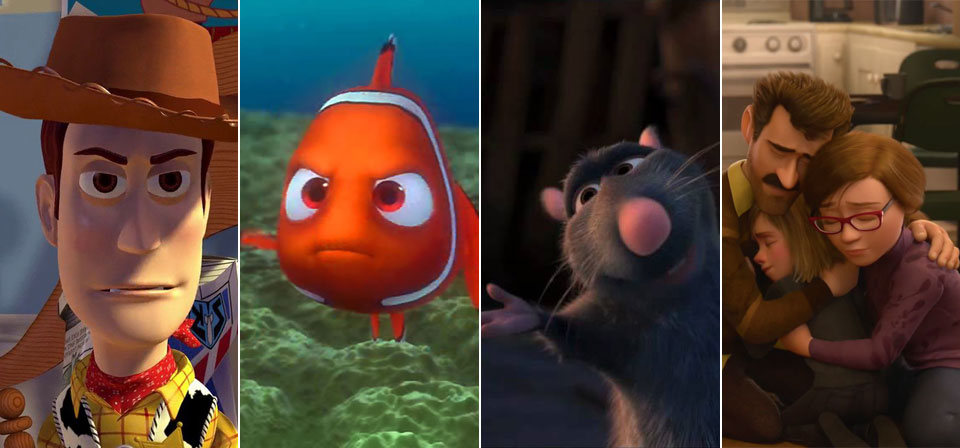
What’s so special about Pixar’s flawed protagonists and their moral journeys
Only Pixar regularly impresses on viewers that just because you’re the hero of your story doesn’t mean you’re right about everything: that you may make serious mistakes, there may be consequences, and you must take responsibility.
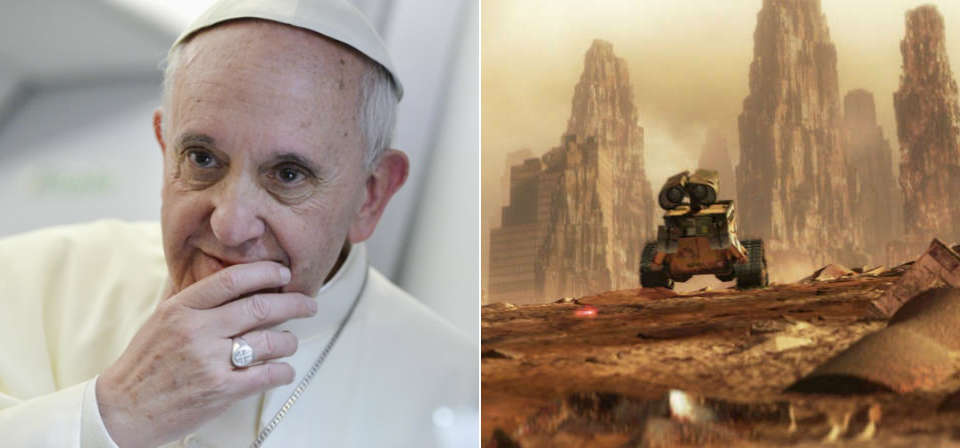
Pixar and the Pope: Pope Francis’ Laudato Si’ and Pixar’s Wall-E
“The earth, our home, is beginning to look more and more like an immense pile of filth,” Pope Francis writes. “In many parts of the planet, the elderly lament that once beautiful landscapes are now covered with rubbish” (LS 21). From the outset Wall-E looks as if it had been created with these words in mind, projecting them into a dystopian future in which rubbish has expanded to cover the entire planet, even surrounding the Earth in a halo of space debris.
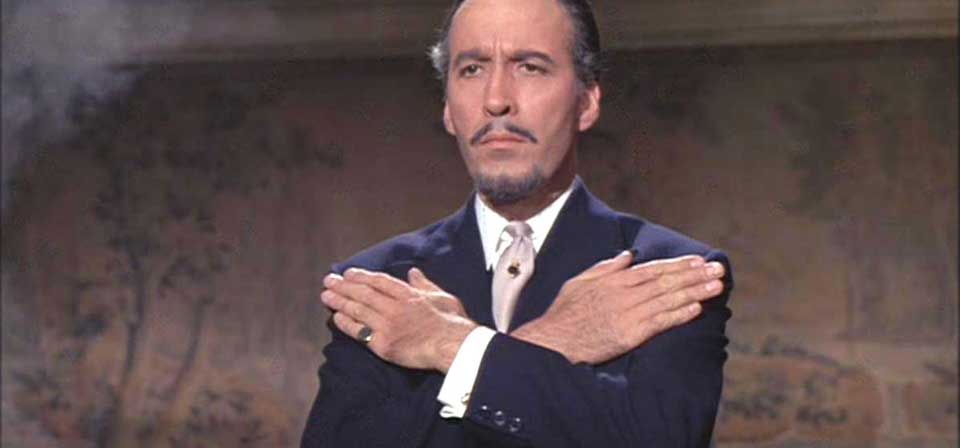
The extraordinary career of Christopher Lee
Sir Christopher Lee, who died on June 7 at the age of 93, had an extraordinary career and an extraordinary life. To speak only of his film work, while it’s impossible to sum up his incredibly prolific and varied output — IMDb.com credits him with more than 280 acting roles over a nearly 70-year career — Lee’s lean, towering build (he stood five inches over six feet) and sonorous baritone voice were well suited to playing villains and monsters.

Roman holidays: Visiting the Eternal City in the movies, from the sublime to the ridiculous
You could almost watch Bicycle Thieves and Roman Holiday back to back and never realize they were shot in the same city only five years apart.
Becoming Saint Óscar Romero
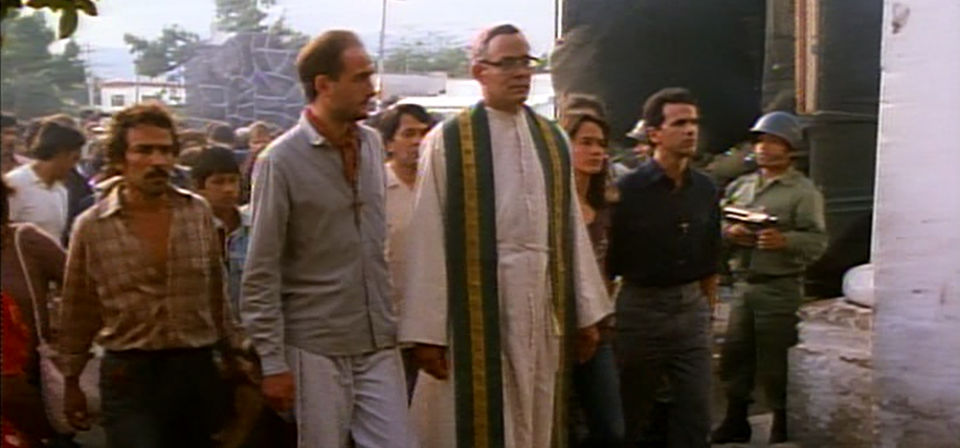
The recent beatification of Óscar Romero, Archbishop of San Salvador from 1977 until his assassination in 1980, has drawn new attention to the gap between public perception and reality regarding this popular but controverted figure in El Salvador’s turbulent history. For those interested in beginning to understand who Blessed Archbishop Romero really was, the Christopher Award–winning 1989 film Romero, starring Raúl Juliá, isn’t a bad place to start.
The dangerous family films of Brad Bird
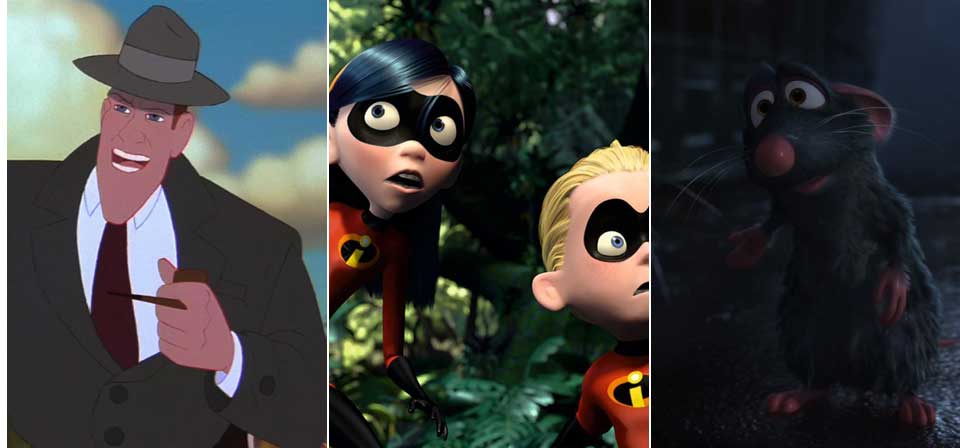
Few filmmakers working in Hollywood today enjoy so sterling a reputation as Bird. Although Tomorrowland is only his fifth feature film, and only his second in live action, his achievements in his first four films are extraordinary.
The Ascension of the Lord: My favorite screen depiction
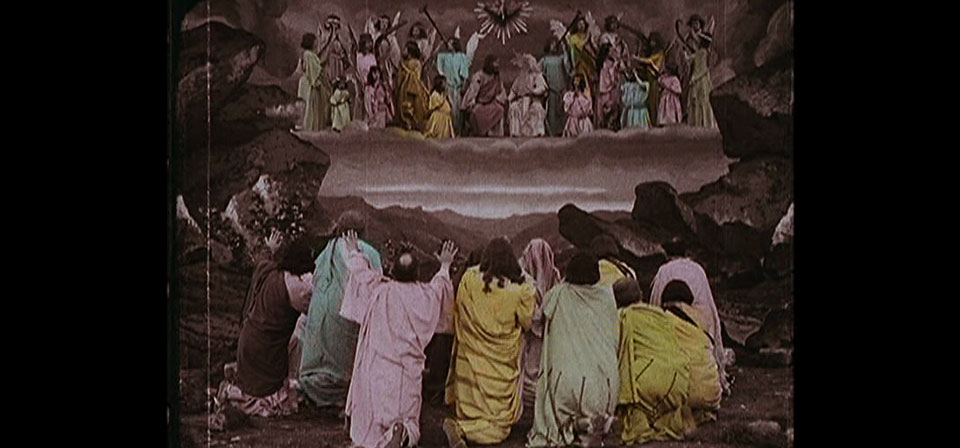
My favorite cinematic depiction of the Ascension of Jesus is one of the very first, from a very early silent film released 110 years ago.
The staying power of Selma
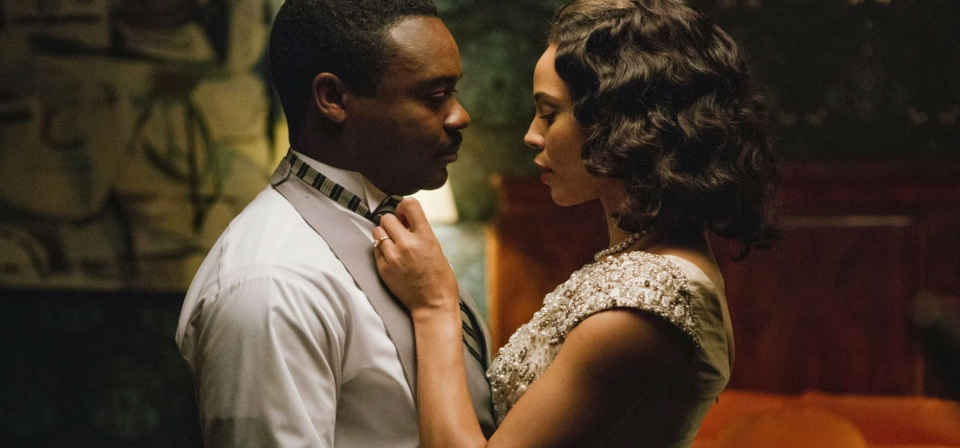
Long after other Best Picture nominees of 2014 have been forgotten, Ava DuVernay’s Selma, starring David Oyelowo as Dr. Martin Luther King, Jr., will still be watched, appreciated and talked about.
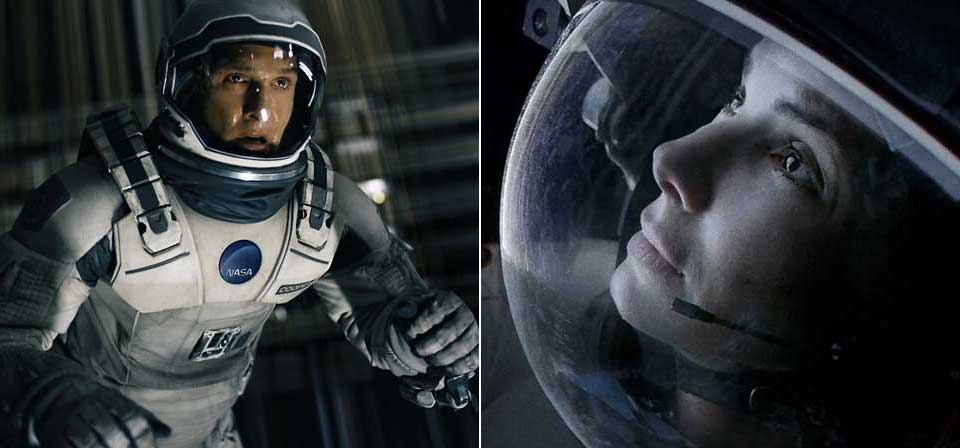
Interstellar and Gravity: Science fiction, outer space and the question of God
Last year’s Interstellar and the previous year’s Gravity follow different paths in a long tradition of asking ultimate questions against the biggest canvas available to our senses, the universe itself.
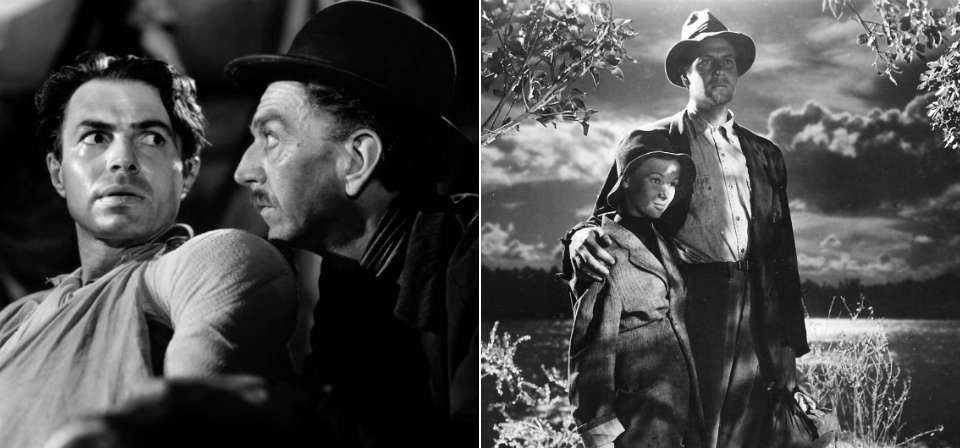
A pair of 1940s classics from Criterion
New this week from the Criterion Collection are the Blu-ray debuts of a pair of classic films from the 1940s — each arguably its director’s masterpiece, and one of two films for which the director is best known.
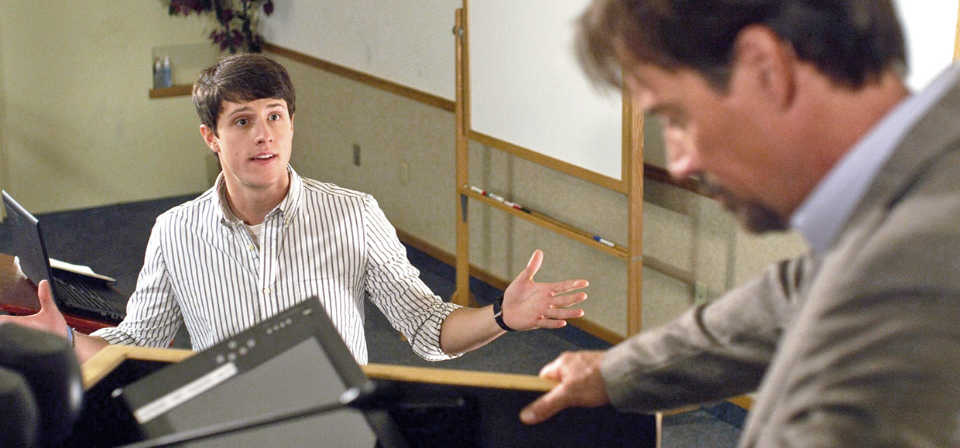
The queasy appeal of “God’s Not Dead”
Mirroring its populist tale pitting a devout young undergraduate against Kevin Sorbo’s hostile philosophy professor, the faith-based hit indie God’s Not Dead sharply divided enthusiastic faith audiences and scoffing critics.
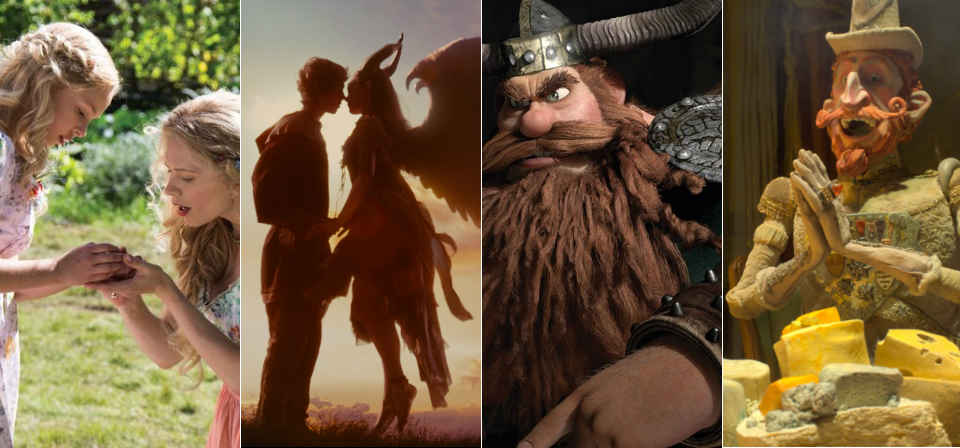
Disney’s new Cinderella and the problem of parents in Hollywood fairy tales and family films
There are good reasons for introducing parent-child conflict into family films, depriving child protagonists of a parental safety net, depicting single-parent households, etc. There’s no good reason positive depictions of healthy, intact families in family films should be an endangered species.

Noah vs. Moses: Stacking up the two Old Testament Hollywood epics of 2014
Of the two, Noah was by far the more divisive, with its startling fantasy trappings, alarming family conflict and invented antagonist. Many hated it; I loved it. No film last year inspired me to think or write more than Noah. By contrast, while Exodus: Gods and Kings sticks closer to the broad outlines of the biblical story and includes some provocative ideas, I found it generally less interesting and engaging.
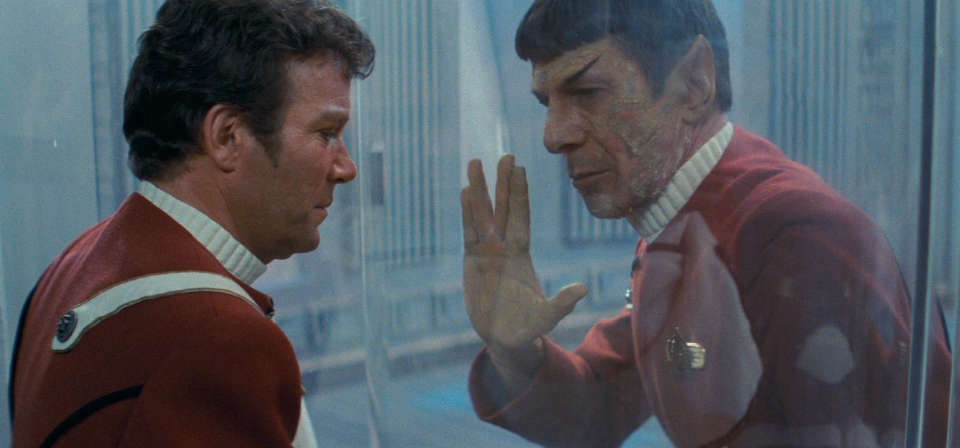
Why “Star Trek” — and Mr. Spock — matter
The ongoing cultural influence of the “Star Trek” phenomenon is incalculable, and Leonard Nimoy’s contributions are an immense part of that. Nimoy wasn’t just an actor doing a job; in a real sense he was a co-creator who helped to define his character in many ways.

Narnian spirit: C. S. Lewis’ religious themes in the books, the films — and any films to come
With a new Blu-ray edition of The Voyage of the Dawn Treader available March 3, here’s a look back at the series so far … and a look ahead.

The truth behind one of Netflix’s most popular shows
Want to know the truth behind the “Devil’s Bible”? Or the Dead Sea Scrolls? How about one of the Old Testament’s two famous arks? Curious about UFOs, Bigfoot or the Bermuda Triangle?
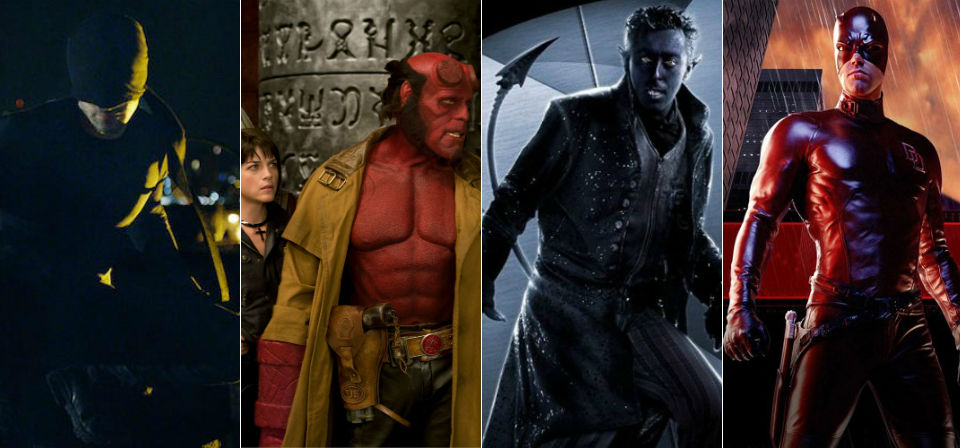
Guardian Devils? Daredevil and Catholic guilt, superhero style
“Bless me, Father, for I have sinned,” says Matt Murdock, the blind lawyer turned masked hero in the first line of the new trailer for Netflix’s upcoming Marvel Comics superhero series “Daredevil.”

My Top 10 Favorite Movie Love Stories That Don’t Show Up on Romantic Movie Lists
No Jane Austen or Shakespeare. No Hepburn or Cary Grant, Meg Ryan or Tom Hanks. No Say Anything or Jerry Maguire, no City Lights or Sunrise: A Song of Two Humans. Nothing against any of the above, but you don’t need me to tout them. Instead, here are ten films you might not find on other lists of movie romances.
Recent
- Benoit Blanc goes to church: Mysteries and faith in Wake Up Dead Man
- Are there too many Jesus movies?
- Antidote to the digital revolution: Carlo Acutis: Roadmap to Reality
- “Not I, But God”: Interview with Carlo Acutis: Roadmap to Reality director Tim Moriarty
- Gunn’s Superman is silly and sincere, and that’s good. It could be smarter.
Home Video
Copyright © 2000– Steven D. Greydanus. All rights reserved.