Recent
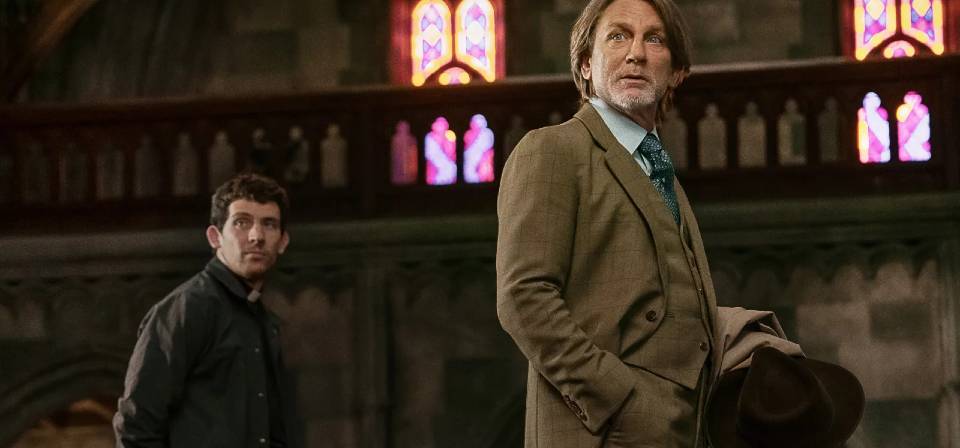
Benoit Blanc goes to church: Mysteries and faith in Wake Up Dead Man
Wake Up Dead Man is about an impossible murder, among other impossible mysteries; it is also about the sociopolitical implications of two opposing conceptions of Christianity and of Catholicism in particular.
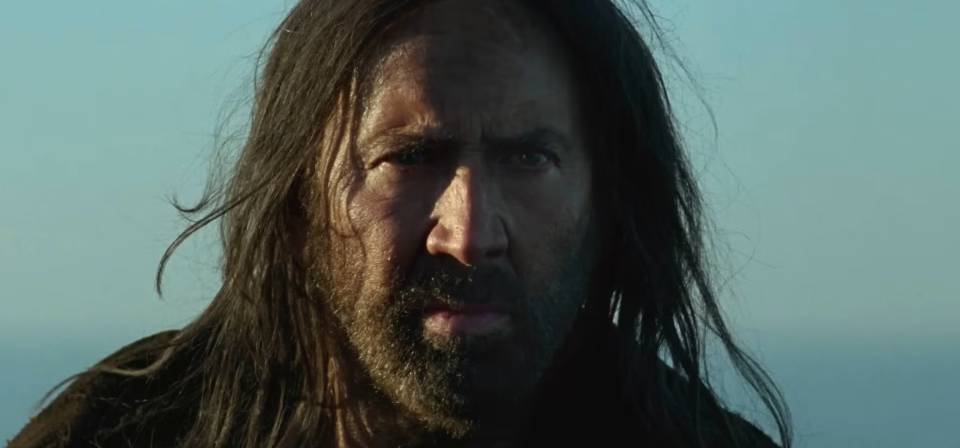
Are there too many Jesus movies?
Two Jesus movies in the same year may not be all that surprising — but what about two or even three sets of twin Jesus productions, for a total of six productions in a single year? 2025 has to be some kind of record!
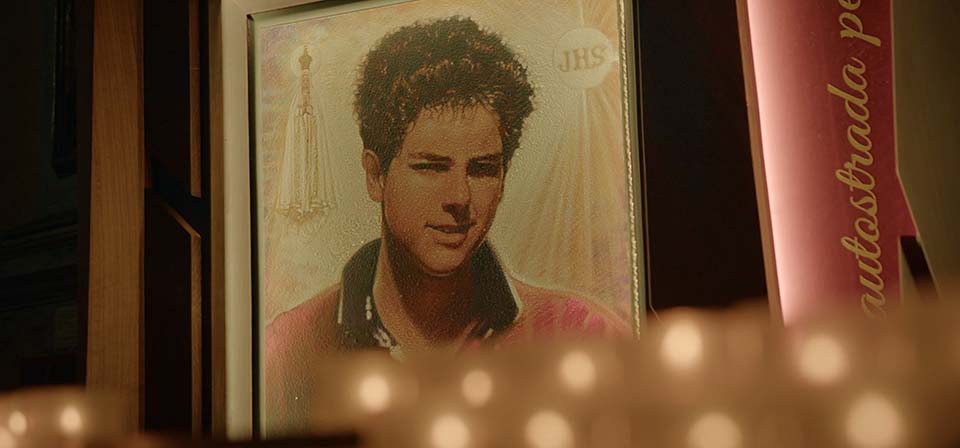
Antidote to the digital revolution: Carlo Acutis: Roadmap to Reality
I have long been proud of my kids for having spontaneously decided, many years ago, to give up all video games every Lent, except on Sunday afternoons and on any solemnities. Carlo Acutis, though, was next level. At eight years old, he was given a PlayStation console — and he resolved to limit himself to one hour a week. “The GOAT,” as my kids approvingly say.

“Not I, But God”: Interview with Carlo Acutis: Roadmap to Reality director Tim Moriarty
“I think the idea that Carlo was simply just this digital online saint is a disservice to who he was. His life was spent off screens, really encountering the world and loving the world and loving Christ. The digital stuff was really just a means of sharing that love.”
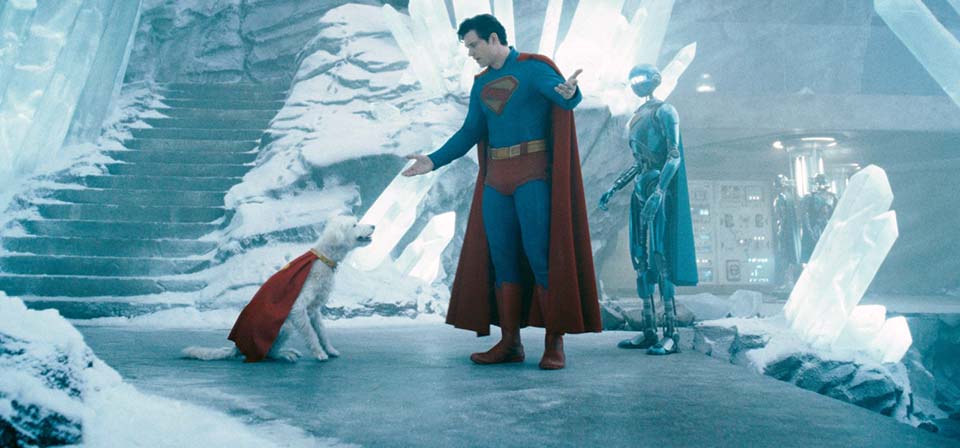
Gunn’s Superman is silly and sincere, and that’s good. It could be smarter.
Insofar as writer-director Gunn (Guardians of the Galaxy) was hired to make an definitive break from the nihilistic, grimdark Snyderverse DC movies and recover a sense of Superman as a character so decent and generous that it’s okay if he’s corny: mission accomplished.

Elio is a space adventure that Toy Story’s Andy would actually enjoy
Pixar’s Elio is the kind of movie that Lightyear should have been.

The Life of Chuck: Stephen King and Mike Flanagan on life, death, and the end of the world
“Whoever saves one life, saves the world entire.” That saying from the Talmud — popularized as a tagline for Schindler’s List, in which Ben Kingsley’s Itzak Stern quotes the line — is not used in The Life of Chuck, but in my mind it might as well be.

Paddington in Peru is pleasant, underachieving nonsense
The decency and goofy sweetness of the King films continue in Paddington in Peru, though the broader moral and social themes are lost in the quest adventure plot.

SDG’s Top 10 Christmas movies list!
I do hope to get back to more regular movie writing in 2025. For now, I hope you enjoy my latest “quick win,” a tongue-in-cheek Christmas movies list I published at All Things SDG.
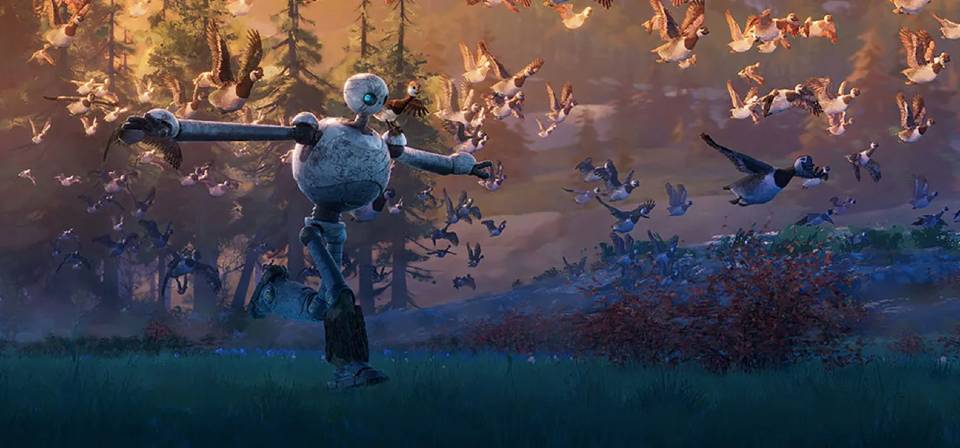
The Wild Robot (2024)
Watching Chris Sanders’s The Wild Robot, I felt things I haven’t felt in a very long time watching a Hollywood animated movie outside the Spider-Verse: wonder, discovery, joy.

Crisis of meaning, part 3: What lies beyond the Spider-Verse?
A question worth asking of a story, then, is: “Is there room for God in this story, in this world?”

Crisis of meaning, part 2: The lie at the end of the MCU multiverse
Sometimes it seems like the universe is sending you a message. In the MCU, the calls are coming from inside the house.

Crisis of Meaning on Infinite Earths, part 1: The multiverse and superhero movies
Is it possible to tell meaningful stories in a multiverse premise? Or does the multiverse idea tend toward nihilism?
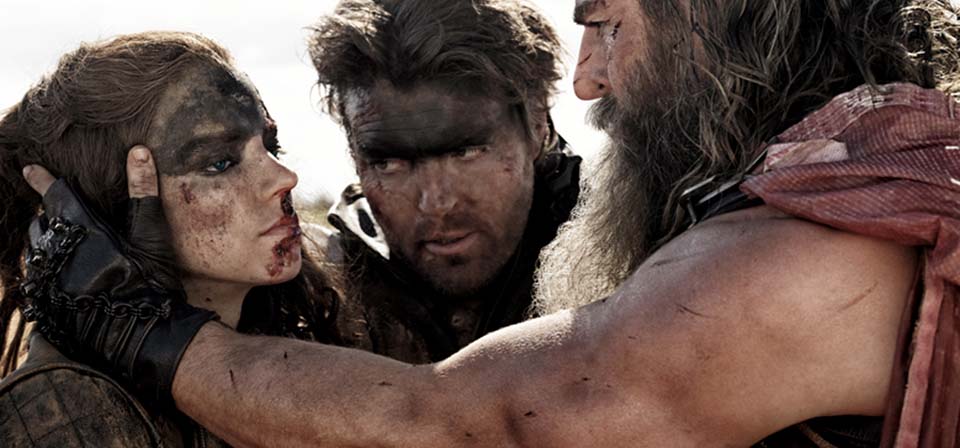
Two things I wish George Miller had done differently in Furiosa: A Mad Max Saga
The Fury Road prequel is a satisfying return to the world of the demented 2015 film—but there were two missed opportunities, relating to Immortan Joe’s Wives and Furiosa’s revenge.

Furiosa tells the story of a world (almost) without hope
Is there no hope? This desperate question hangs over the previous film in the saga, Miller’s 2015 extravaganza Mad Max: Fury Road. Now, the same question haunts Furiosa, an epic origin-story prequel for Fury Road’s stealth protagonist, Charlize Theron’s Imperator Furiosa.

Wildcat lacks O’Connor’s oddness, but brims with passion
Wildcat bills itself as “based on short stories by Flannery O’Connor,” though it could equally be said to be based on O’Connor’s letters (the source for much of Flannery’s dialogue) and her prayer journal (used to depict her prayer life in earnest voiceovers).

Watch: The Song of Bernadette and Lourdes – An Arts & Faith Top 100 discussion with Kenneth R. Morefield
In which I chat with the editor of a collection of essays about the Arts & Faith Top 100 films about my contribution to the book
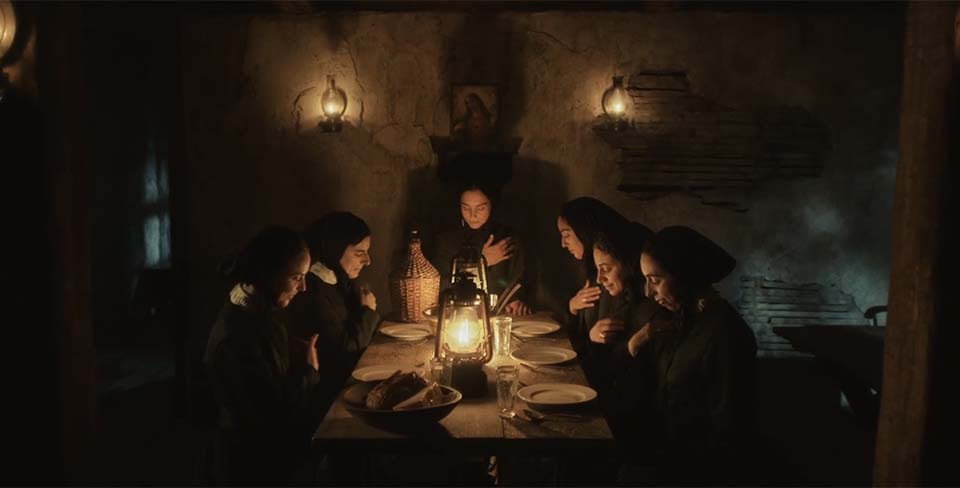
The face of God in Cabrini
Does the movie “secularize a saint”? Reckoning with the curious dearth of God talk and overt religiosity in this faith-based biopic about the founder of a religious community
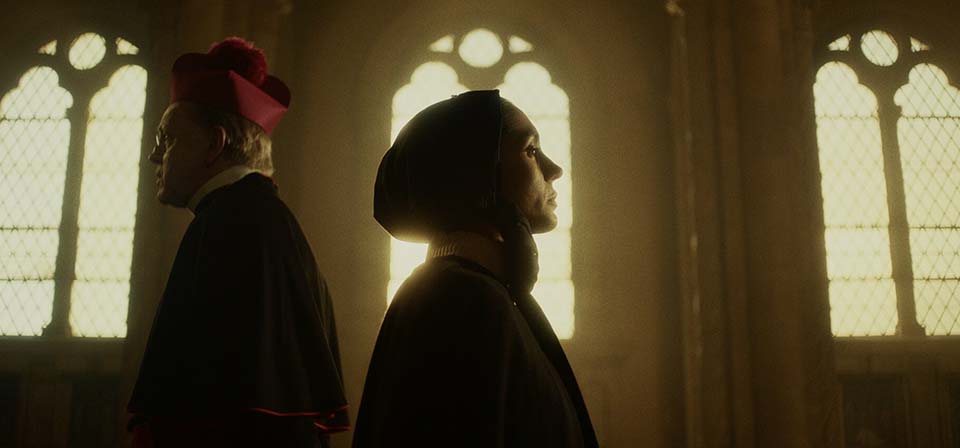
Cabrini celebrates human dignity and solidarity; the saint remains an enigma
What kind of world do we want, and what will we do to achieve it? Those are the questions with which Alejandro Monteverdi’s Cabrini leaves us at the end of its 140 minutes. The questions land harder after the story we’ve seen.

Dune: Part Two exceeds expectations in every way — except humanity
There’s something bracing about a blockbuster epic in 2024 that doesn’t care what you think of it, that is primarily concerned with being the best possible version of itself.
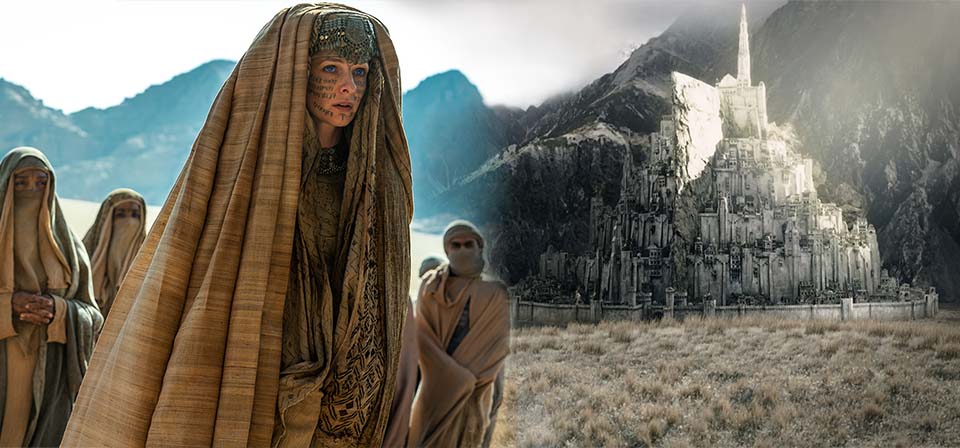
Dune and The Lord of the Rings
In my reviews of Dune: Part One and now Dune: Part Two (filed and pending publication; stay tuned!) I’ve written a bit comparing and contrasting Dune with Star Wars. Here I’d like to consider Star Wars in relation to The Lord of the Rings and J.R.R. Tolkien’s larger legendarium.

Ethan Hunt’s second act and Tom Cruise’s third: The unending impossible mission
What the Mission: Impossible series discovers in this moment is this: Imperfect stunts can be more thrilling than perfect ones, and an unflappable superman who always knows exactly what to do and does it perfectly is less exciting than a fallible, vulnerable action hero — one who can be caught by surprise, who hesitates and has misgivings, who is forced to improvise, sometimes miscalculating and even getting hurt.

Indiana Jones movies and Raiders of the Lost Ark: Why the original still stands alone
Eight years earlier, The Exorcist offered a gut-wrenching morality tale about, among other things, the spiritual dangers of messing around with Ouija boards and demons. The climax of Raiders offers a complementary warning about trifling with the no less terrible power of the holy.

The Lourdes Effect: The Miracle Club director Thaddeus O’Sullivan on Irish trauma and miracles
Laura Linney stars in an Irish comedy set in 1967 about a group of women confronting their past on a pilgrimage to Lourdes. The director talks about the trauma that Irish movies set in this timeframe tend deal with, and what he calls the “Lourdes Effect.”

An Elemental misstep: Does Pixar still need — or benefit from — anthropomorphic fantasy?
What if the four elements had feelings? Pixar filmmaker Peter Sohn’s gentle, compassionate storytelling may have something to offer family audiences … if he can break away from what has become a rut in Pixar thinking.

Spider-Man: Across the Spider-Verse is an incomplete triumph
What I can tell you at this point about Across the Spider-Verse is that I want to see it about ten more times.

A deep dive: The Little Mermaid then and now
There’s something profoundly melancholy about Disney returning, in its present state of creative exhaustion and corporate decadence, to The Little Mermaid — the nucleus from which the entire Disney renaissance exploded, in a way along with everything that has followed.
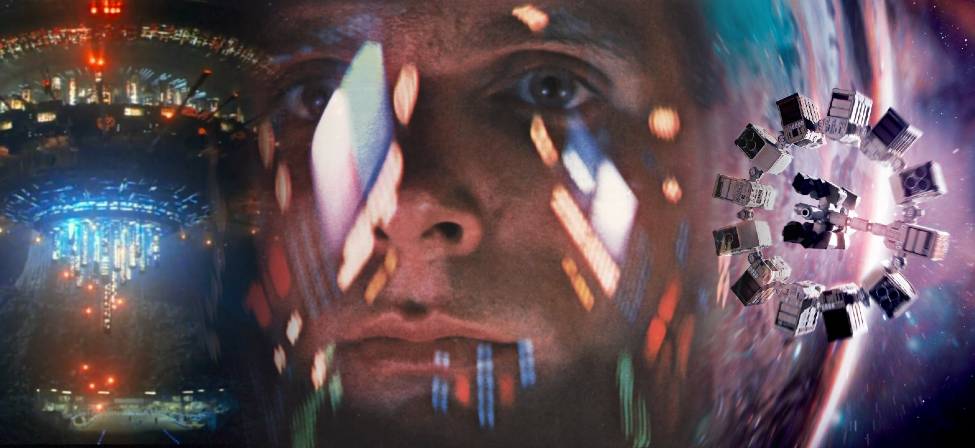
Science fiction and transcendence: 2001: A Space Odyssey and the elusiveness of awe
Released 55 years ago, Stanley Kubrick’s iconic masterpiece — honored on the 1995 Vatican film list — has often been likened to “a religious experience.” Why do some of its successors capture this better than others?

The spirit of Rocky lives on in the Creed trilogy
Sports movies are among the most durable of genres, and nostalgia sequels and long-running franchises have become almost the norm for popular movies from the past half-century, but the legacy of Rocky is unique.
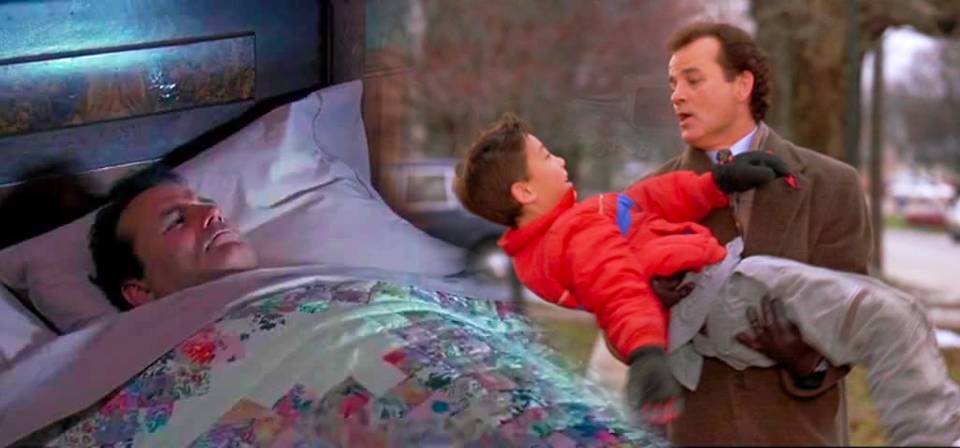
Groundhog Day at 30 and the riddle of Bill Murray
Thirty years on, the spiritually evocative, time-bending comedy is as beloved as ever, but its legendary star has been subjected to new scrutiny over reports of inappropriate behavior.
Recent
- Benoit Blanc goes to church: Mysteries and faith in Wake Up Dead Man
- Are there too many Jesus movies?
- Antidote to the digital revolution: Carlo Acutis: Roadmap to Reality
- “Not I, But God”: Interview with Carlo Acutis: Roadmap to Reality director Tim Moriarty
- Gunn’s Superman is silly and sincere, and that’s good. It could be smarter.
Home Video
Copyright © 2000– Steven D. Greydanus. All rights reserved.